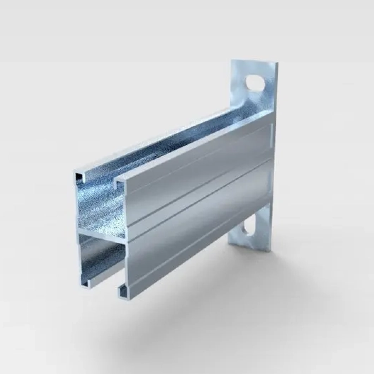
In the construction world, support systems are the backbone of any successful project. Whether it’s a commercial building, industrial facility, or residential home, structural integrity is critical. When it comes to providing reliable and efficient support, strut channel systems have become an essential tool in modern construction. Traditionally, strut channels were designed simply to support piping, electrical systems, or HVAC units. However, with advancements in engineering and material science, strut channel systems have evolved into sophisticated structural elements that offer much more than basic support.
In this article, we will explore how advanced strut channel systems have transformed construction practices and are now being used to engineer superior structures. By improving design flexibility, reducing costs, enhancing durability, and contributing to sustainable construction practices, strut channel systems are playing a key role in the future of architecture and building design.
What Are Strut Channel Systems?
Strut channel systems, often referred to as metal framing or universal channel framing, are modular support systems made from steel or aluminum. These channels are used to support a wide range of components such as pipes, electrical conduits, HVAC ducts, cables, and even shelving systems. The channels come with pre-engineered grooves that allow for easy attachment of nuts, bolts, and brackets. This modular, customizable design allows for quick adjustments and modifications, making them versatile tools for building systems that need flexibility and adaptability.
While strut channels were once viewed primarily as a structural framing material, their application has expanded beyond basic support functions. Today, advanced strut channel systems are used in everything from high-rise buildings to manufacturing plants, data centers, and energy infrastructure. These systems provide solutions for a variety of engineering challenges, and are integral to creating modern, complex structures.
How Advanced Strut Channel Systems Are Revolutionizing Construction
Strut channel systems are no longer just about holding up pipes and wires. Their growing versatility and ability to adapt to different needs have made them key components in engineering superior structures. Let’s dive into five ways these advanced systems are transforming the construction industry.
1. Enhanced Design Flexibility
In traditional construction, engineers and architects had to rely on rigid, custom-designed framing systems. The complexity and labor involved in creating bespoke supports for electrical and plumbing systems could slow down construction timelines and increase costs. Strut channel systems, on the other hand, offer unparalleled flexibility.
Customizable Solutions:
Advanced strut channel systems come in a variety of sizes and configurations. This modularity allows for customization on-site. Whether you need to adapt a support system to fit new equipment or modify an existing structure, strut channels can be quickly and easily adjusted to meet specific design requirements. This means that builders can modify supports as they go, rather than waiting for custom parts or relying on complex construction methods. For example, if a new pipe or conduit needs to be integrated into an existing system, strut channels can be extended or adjusted to accommodate the change.
Integrated Design:
Strut channel systems also enable a more integrated approach to construction. Multiple systems (such as electrical, plumbing, and HVAC) can be organized into a single structural framework. This integration not only streamlines the installation process but also ensures that the overall design remains cohesive. In buildings with complex infrastructure, such as commercial office towers or industrial facilities, this integrated approach simplifies the engineering process and allows for more creative, efficient solutions.
2. Reducing Construction Time and Costs
One of the major advantages of using strut channel systems is the speed of installation. Traditional framing and support systems often require time-consuming processes such as cutting, welding, and custom fitting. Advanced strut channels, however, are designed for quick assembly using pre-engineered components.
Faster Installation:
The modular design of strut channel systems means that contractors can quickly assemble the framework without the need for specialized tools or heavy machinery. The use of nuts, bolts, and brackets to attach the channels allows workers to set up the system much faster than with traditional welded supports. For example, installing an HVAC system or mounting pipes and electrical conduits can be done in a fraction of the time compared to custom-built framing.
Labor and Material Savings:
Since the installation process is faster and requires fewer tools and labor, the overall cost of labor is significantly reduced. Moreover, because strut channel systems are highly customizable, contractors only need to purchase the exact amount of materials they need, minimizing waste. This reduces material costs and promotes a more cost-efficient construction process.
Advanced strut channel systems also reduce the need for skilled labor, which can be an advantage in areas with labor shortages or where construction budgets are tight. Builders can rely on simpler assembly techniques, reducing reliance on highly trained workers for tasks like welding or custom framing.
")
3. Strength and Durability for Long-Term Performance
In any construction project, structural integrity is critical. Strut channel systems are made from high-quality steel or aluminum, which provides robust strength and durability. This makes them an excellent choice for supporting heavy systems like HVAC ducts, electrical conduits, and plumbing pipes, which are often subject to wear and stress over time.
Corrosion Resistance:
Strut channels are typically galvanized to resist rust and corrosion, making them suitable for use in environments with high moisture or humidity. This is especially important in industrial or coastal areas where the materials used in construction are more likely to deteriorate due to exposure to harsh conditions. Galvanized strut channel systems provide an added layer of protection, ensuring the systems they support remain functional and secure for years to come.
Heavy Load Capacity:
Strut channel systems are designed to handle heavy loads. This means they can support not only the weight of piping, wiring, and ducts but also larger equipment such as generators, compressors, or air conditioning units. Their strength allows them to handle dynamic loads in environments like factories or warehouses, where machinery may be moving or shifting.
4. Sustainability and Eco-Friendly Construction
In today's world, sustainability is a key consideration in all aspects of construction. Strut channel systems are designed with the environment in mind, making them an ideal choice for eco-conscious projects.
Recyclability:
Strut channels are typically made from steel or aluminum, both of which are highly recyclable. This makes strut channels an environmentally friendly option, as they can be repurposed and reused at the end of their lifecycle, reducing waste. Many construction projects today aim to minimize their environmental impact, and choosing strut channel systems can help meet those goals.
Sustainable Manufacturing:
The production of strut channel systems is also more resource-efficient compared to custom-built framing systems. Because the channels are pre-engineered and mass-produced, there is less material waste during manufacturing. Additionally, the production processes for these systems have become more energy-efficient, which further contributes to a lower carbon footprint in the construction process.
By choosing sustainable materials like strut channel steel, builders contribute to creating green buildings that meet environmental standards, such as LEED (Leadership in Energy and Environmental Design) certifications. This is increasingly important for businesses and developers looking to showcase their commitment to eco-friendly construction.
5. Ease of Maintenance and Modification
One of the standout features of advanced strut channel systems is their ability to adapt over time. In today’s world, flexibility is key, especially for buildings that require ongoing modifications or upgrades.
Quick Adjustments:
Strut channel systems can be easily adjusted, modified, or expanded without extensive disruption to the existing structure. For example, if additional piping needs to be added to a building or if the electrical system needs to be upgraded, strut channels allow for quick adjustments by simply removing bolts and repositioning the channels or adding new components.
Accessibility:
Another benefit of using strut channels is their accessibility. Because the channels are modular and easy to disassemble, maintenance and inspections can be performed quickly and efficiently. Components like electrical wiring or plumbing pipes mounted on strut channels are easy to access, which is especially important in industrial facilities or data centers, where regular inspections are necessary to ensure everything is functioning properly.
Conclusion
Strut channel systems have evolved from simple support structures to highly versatile, cost-effective, and sustainable solutions that are integral to modern construction projects. By offering flexibility, strength, and speed, they have transformed the way builders approach complex installations. Whether it’s supporting mechanical systems, integrating electrical wiring, or facilitating long-term maintenance, advanced strut channel systems provide unmatched benefits that enhance the efficiency and quality of any construction project.
From reducing installation time and costs to improving structural integrity and sustainability, strut channel systems are truly a builder’s secret weapon. They simplify complex installations, make future modifications easier, and ensure that buildings are durable and adaptable. As the construction industry continues to evolve, strut channel systems will undoubtedly remain a cornerstone of modern engineering, offering innovative solutions to the challenges of building in today’s fast-paced, ever-changing world.