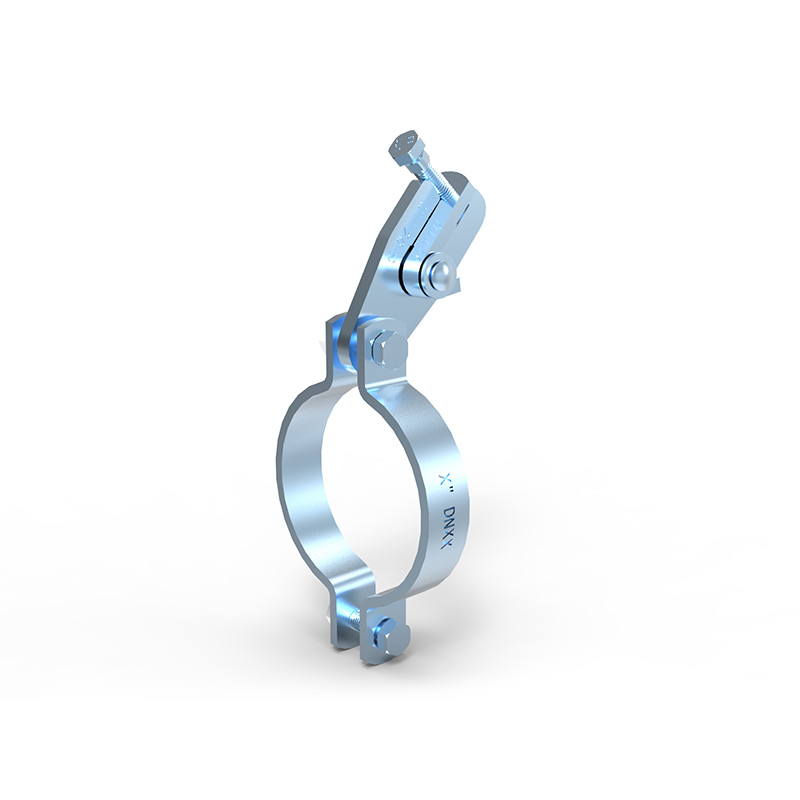
Selecting pipe fasteners is never a basic hardware purchase. It is a critical engineering decision. You dictate the safety, longevity, and compliance of your entire piping system when you choose these components. Facility managers and engineers must approach this selection with precision.
A Pipe Clamp is a dedicated support mechanism. It is designed to securely suspend, guide, or anchor pipes to structural elements. At the same time, it effectively manages physical load and thermal movement.
Choosing the wrong clamp inevitably leads to severe operational problems. You risk galvanic corrosion, structural fatigue, or catastrophic system failure. This is exactly why you must match the clamp type and material to your specific application. In this guide, you will learn how to evaluate different mechanisms, select compatible materials, and implement standard spacing frameworks to ensure total system reliability.
Key Takeaways
Pipe clamps serve three primary functions: bearing structural loads, absorbing acoustic/mechanical vibration, and accommodating thermal expansion.
Selecting the correct type (e.g., saddle, split ring, or rubber-lined) depends directly on the pipe’s outside diameter (OD), operating temperature, and environmental exposure.
Material compatibility between the pipe and the clamp is non-negotiable; mismatched metals lead to rapid galvanic corrosion.
Procurement and installation must align with industry-standard load ratings and spacing guidelines to ensure long-term system integrity.
The Role of Pipe Clamps in System Integrity
Substandard pipe supports carry massive operational risks. System failures, severe pipe sagging, and hazardous leaks frequently stem from inadequate fastening. When piping networks fail, facilities face costly downtime and extensive environmental cleanups. You must view supports as the foundational backbone of your infrastructure.
Load Management
Clamps perform complex load distribution. They do not just hold the empty pipe. They bear the static weight of the pipe material and the heavy fluid it carries. Furthermore, they absorb intense dynamic loads. When valves close rapidly, systems experience water hammer. This creates massive pressure surges. A properly engineered clamp absorbs these shockwaves and transfers the kinetic energy safely into the surrounding structural framework.
Thermal and Kinetic Control
Fluids routinely change temperature during industrial processes. Pipes respond by expanding and contracting. You must manage this thermal movement to prevent joint fatigue. Rigidly restricting a pipe causes it to buckle or crack. Appropriate clamping systems guide this movement along a predetermined path. They also dampen aggressive equipment vibrations from pumps and compressors. This kinetic control extends the lifespan of valves, flanges, and welded joints.
Compliance and Safety
Industrial applications demand strict adherence to specific engineering codes. You cannot rely on guesswork. Engineering standards like MSS SP-58 outline precise performance metrics for pipe hangers and supports. Local building codes enforce similar safety mandates. Following these frameworks ensures your facility passes rigorous safety inspections. Non-compliance often results in denied insurance claims and dangerous work environments.
Common Types of Pipe Clamps and Their Uses
No single clamp design suits every scenario. Manufacturers engineer distinct profiles to address different mounting surfaces, load requirements, and movement expectations. Understanding these variations helps you optimize your installation strategy.
Standard / Split Ring Pipe Clamps
The standard split ring clamp relies on a simple yet effective mechanism. It features two metal halves bolted together around the pipe circumference. It typically suspends from threaded rods attached to ceiling struts.
Best for: You will use these primarily for general plumbing networks. They excel at suspending non-insulated lines in basic commercial buildings. They provide a secure grip but do not allow for significant lateral movement.
Industrial Pipe Clamp (Heavy-Duty)
When dealing with extreme forces, you need heavy-duty solutions. An Industrial Pipe Clamp utilizes thicker gauge metal and high-tensile bolting. The robust geometry resists deformation under massive stress.
Best for: These belong in high-pressure fluid systems, chemical processing plants, and power generation facilities. They easily handle heavy mechanical structural loads where standard rings would instantly fail.
Saddle Pipe Clamp
A Saddle Pipe Clamp features a distinct U-shaped half-circle design. It features mounting tabs on either side. You use it to mount a pipe flush against a flat surface, securing it tightly in place.
Best for: Floor or wall routing applications. They are perfect for supporting base-level pipe runs without suspending them mid-air. They keep pipes tightly organized against structural beams or concrete floors.
Rubber Lined Clamp
A Rubber Lined Clamp consists of a standard metal housing fitted with an internal EPDM rubber extrusion. This rubber insert acts as a physical barrier and a shock absorber.
Best for: You need these when installing copper piping to prevent direct metal-to-metal contact. They are also highly effective for vibration reduction in HVAC systems. The rubber provides excellent acoustic dampening, stopping rattling noises from traveling through building walls.
U-Bolts and Riser Clamps
U-bolts are threaded U-shaped rods that secure pipes to structural channels. Riser clamps grip vertical pipe runs tightly, using friction to hold the weight.
Best for: U-bolts act as excellent guides, directing thermal movement along a single axis without gripping the pipe too tightly. Riser clamps are essential for transferring massive vertical pipe loads directly onto floor slabs as pipes pass through multiple building levels.
The following structural comparison guide outlines these variations clearly.
Clamp Type
Primary Mechanism
Best Application
Split Ring
Two bolted halves
Suspended general plumbing
Heavy-Duty
Thick gauge, high-tensile bolts
High-pressure, heavy loads
Saddle
Flush U-shape mount
Wall or floor routing
Rubber Lined
EPDM rubber inner profile
Vibration dampening, copper lines
U-Bolt / Riser
Rod guiding / Vertical gripping
Thermal guiding / Vertical loads
Evaluating Pipe Clamp Materials for Longevity
Matching the clamp material to the operating environment ensures structural longevity. A poorly specified material degrades rapidly, compromising the entire support network.
Carbon Steel (Zinc-Plated / Galvanized)
Pros and Cons: Carbon steel is highly cost-effective and structurally rigid. It handles substantial weight with ease. However, it remains highly vulnerable to rust if exposed to high-moisture or acidic chemical environments. Zinc plating offers basic protection, while hot-dipped galvanization provides a thicker defensive layer.
Ideal use cases: Indoor commercial plumbing, dry manufacturing facilities, and standard HVAC ducting. Keep them out of continuous weather exposure.
Stainless Steel (304 / 316)
Pros and Cons: Stainless steel demands a premium upfront cost. In return, it offers exceptional resistance to oxidation and harsh chemical degradation. Grade 316 contains molybdenum, making it incredibly resistant to chloride and salt-spray attacks.
Ideal use cases: Offshore oil rigs, food processing plants, pharmaceutical facilities, and corrosive wastewater treatment centers. They thrive where standard steel rusts within weeks.
Specialty Coatings and Plastic
Pros and Cons: Plastic supports are lightweight and inherently corrosion-resistant. They will never rust. However, they feature significantly lower load capacities and melt under high heat. Specialty coated metals bridge the gap, offering chemical resistance with structural rigidity.
Ideal use cases: Light-duty PVC fluid runs, laboratory settings, and highly corrosive low-load environments.
The Galvanic Corrosion Risk
You must actively prevent galvanic corrosion. This destructive electrochemical process occurs when you mix dissimilar metals in the presence of an electrolyte, like ambient moisture. Never install bare carbon steel clamps directly onto raw copper pipes. The copper will trigger rapid oxidation in the steel, destroying the clamp. Always use insulating liners, such as EPDM rubber or specialized plastic sleeves. These insulators break the electrical conductivity path, completely mitigating the corrosion risk.
Decision Framework: How to Choose the Right Clamp
Selecting the exact support requires methodical evaluation. Overlooking minor details during the specification phase results in major deployment issues.
Pipe Outside Diameter (OD) vs. Nominal Bore
Many buyers make a critical measurement error. They confuse Nominal Pipe Size (NPS) or nominal bore with the actual Outside Diameter (OD). A 2-inch nominal pipe does not have a 2-inch outside diameter. Clamps grip the exterior surface. You must size them to the exact OD. Furthermore, if the pipe requires thermal insulation, you must calculate the final OD including the insulation thickness. Buying based on nominal bore guarantees a loose or impossibly tight fit.
Static vs. Dynamic Load Requirements
Calculate the total weight profile accurately. Start with the pipe's empty weight. Next, add the operational weight of the fluid inside. Do not stop there. You must account for dynamic forces. System startup, valve closures, and thermal shifts generate immense surge forces. Ensure the load rating of your chosen support easily exceeds this combined maximum load.
Operating Environment Specifications
Evaluate the surrounding environment rigorously. Assess extreme high and low temperatures. Consider prolonged UV exposure if installing outdoors. Identify potential chemical splash zones in industrial plants. These factors dictate both the clamp metal and liner limitations. For example, standard EPDM rubber liners degrade rapidly if exposed to oil-based fluids or temperatures exceeding 230°F (110°C). You might need silicone liners for higher heat.
Fixed vs. Sliding Support
Determine the desired freedom of movement. Does the pipe need to be rigidly anchored? Fixed supports lock the pipe in place, allowing zero movement. They absorb thrust forces. Alternatively, does the system require guided sliding? Sliding supports hold the weight but allow lateral or longitudinal movement as the pipe expands from heat. Mixing these up causes pipes to tear themselves apart during thermal cycling.
Implementation Considerations and Deployment Risks
Even the best Pipe Clamps fail if deployed incorrectly. Installation mechanics matter just as much as the initial product selection. You must follow strict deployment guidelines.
Spacing and Span Guidelines
Never stretch the distance between clamps to save on hardware costs. This common mistake leads to severe pipe deflection. The pipe sags between the supports. This sagging allows fluids to pool, creating dead zones and increasing localized pressure. Refer directly to standard engineering tables that dictate maximum span distances based on pipe material, fluid weight, and diameter.
Torque Specifications
Installation crews must use torque wrenches. Over-tightening crushes pipe insulation and can fracture plastic piping. It also restricts intended thermal movement. Under-tightening allows unintended lateral movement, leading to friction wear. The pipe rubs against the loose metal until it ruptures. Always adhere to the manufacturer’s exact torque recommendations.
Shortlisting Logic
Before finalizing your procurement, follow these steps to secure the right components:
Compile the exact OD measurements of all pipes, factoring in insulation.
Calculate the maximum combined static and dynamic load per support point.
Identify the maximum operating temperature and environmental hazards.
Cross-reference this system data with the manufacturer’s published load charts.
Eliminate any hardware that falls within 10% of its absolute maximum rating to ensure a safety buffer.
Conclusion
A pipe clamp is a highly specific engineered component, not a generic commodity. Treating it as an afterthought invites system instability, structural fatigue, and hazardous failures. By understanding load dynamics, thermal movement, and material properties, you protect your infrastructure from premature breakdown.
Facility managers and engineers must prioritize material compatibility, environmental demands, and certified load ratings over upfront unit costs. Investing in the correct heavy-duty or lined supports drastically reduces long-term maintenance burdens. It ensures your piping network operates safely and efficiently for decades.
Do not guess when specifying system supports. Consult technical hardware catalogs, download specific load specification sheets, or contact engineering support teams to finalize project-specific shortlisting today.
FAQ
Q: What is the difference between a pipe clamp and a pipe clip?
A: A pipe clamp manages heavy structural loads in industrial and commercial environments. It securely anchors or suspends heavy pipes. A pipe clip is a lighter, simpler fastener used mainly in residential plumbing or light-duty applications. Clips handle minimal weight and typically snap into place, whereas clamps require bolted tension.
Q: Can I use a metal clamp on a plastic (PVC/CPVC) pipe?
A: Yes, but you must use caution. Bare metal edges easily gouge and scratch plastic piping as it expands and contracts. To prevent structural damage, you should always use rubber-lined models or ensure the metal fastener features flared, non-abrasive edges designed specifically for plastic materials.
Q: How do I calculate the correct spacing for pipe clamps?
A: You base spacing on the pipe material, the outside diameter, and the weight of the fluid inside. Steel pipes allow for longer spans than flexible plastic pipes. You should always consult standard engineering tables, such as those provided by MSS SP-58 or local building codes, to find the exact compliant spacing metric.
Utterly TY Intelligent Technology Co.,Ltd. is a high-tech private enterprise integrating product design, research and development, sales and installation.