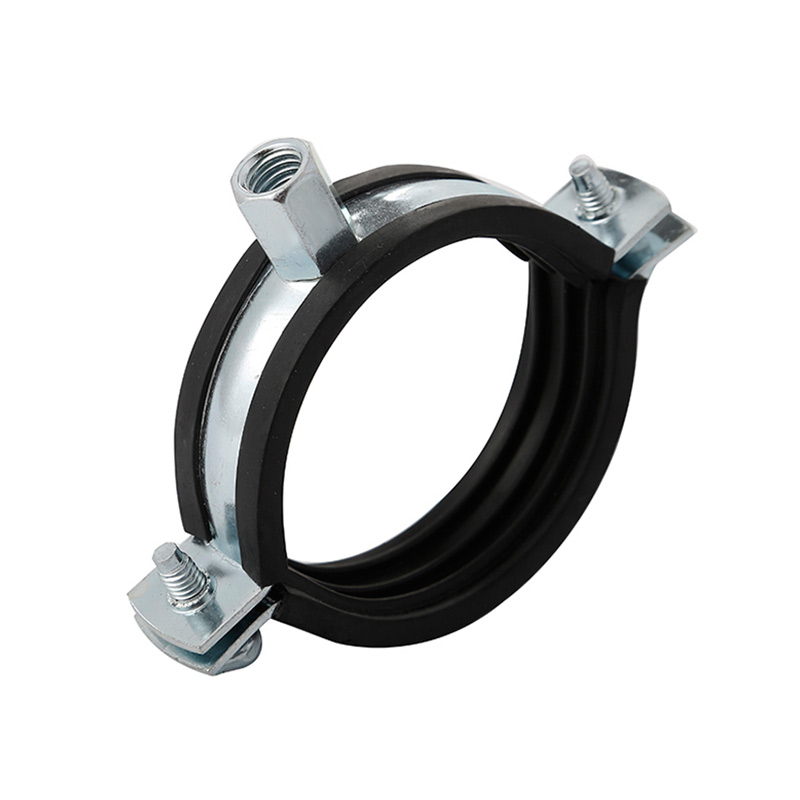
Unmitigated piping vibration silently degrades complex industrial infrastructure. High-frequency shaking accelerates structural fatigue over time. It frequently triggers sudden connection failures and costly operational downtime. It also pushes ambient plant noise far beyond legal compliance limits. Facility engineers can no longer rely purely on rigid mounting techniques. They must transition to isolated mounting systems utilizing elastomeric materials. A strategically placed Rubber Lined Pipe Clamp represents a critical intervention point. It serves as a highly effective mechanical safeguard. It dampens damaging vibrations before they transfer to structural supports. This single component helps extend infrastructure lifespan significantly. It also ensures facilities meet strict acoustic and safety regulations. You will discover how these advanced mounting solutions function. We will explore precise material selection criteria. You will also learn how to navigate common installation pitfalls.
Key Takeaways
Rubber lined clamps mitigate metal fatigue and pipe failure by converting kinetic vibration energy into minor thermal energy.
Specifying the correct elastomer (EPDM, Silicone, Nitrile) is critical and must align with operational temperatures and chemical exposure risks.
Improper installation, such as overtightening, negates the vibration-damping benefits and accelerates rubber degradation.
Evaluating vendors requires examining specific acoustic reduction ratings, material certs, and load-bearing data.
The Financial and Safety Risks of Unmitigated Piping Vibration
Modern industrial systems handle immense fluid velocities and extreme pressure differentials. These dynamic forces generate intense mechanical vibrations across extended pipe runs. Failing to isolate these vibrations introduces severe risks.
Acoustic Compliance
Regulatory bodies like OSHA strictly enforce occupational noise exposure limits. Prolonged exposure above 85 decibels requires mandatory hearing conservation programs. Standard metal-to-metal piping connections act as highly efficient acoustic bridges. They carry fluid pulsation noise directly into structural beams and surrounding environments. Rigid steel clamps amplify this acoustic energy. They turn entire building frames into massive resonators. Introducing elastomeric damping breaks this acoustic transmission path. It keeps ambient facility noise within compliant boundaries.
Structural Fatigue
Piping infrastructure rarely fails from a single catastrophic shock. It typically fails from continuous high-frequency vibration. This constant shaking induces micro-fractures within the metallic grain structure. These microscopic cracks propagate toward rigid weld joints and threaded connections. Metal fatigue eventually compromises the pressure boundary. This leads to dangerous fluid or volatile gas leakage. A high-quality Rubber Lined Pipe Clamp absorbs these repetitive micro-impacts. It dramatically delays the onset of material fatigue.
Defining Success Criteria
Facility managers need clear metrics to evaluate any vibration control solution. A successful upgrade must achieve several core benchmarks. First, it must deliver a measurable decibel reduction at critical junctions. Second, the system must completely eliminate galvanic corrosion risks. Third, the clamps must stabilize complex pipe runs. They must achieve this stabilization without restricting necessary thermal expansion. Relying on objective success criteria ensures the final installation actually improves system safety.
The Mechanics of a Rubber Lined Pipe Clamp
Understanding the exact physical mechanisms behind vibration isolation helps engineers specify better hardware. It is not enough to simply place rubber between steel components. The design requires precision engineering.
Elastomeric Damping
The primary function of the elastomeric insert is energy dissipation. Fluid surges and mechanical shaking generate kinetic energy. The rubber lining absorbs this mechanical shock directly. It structurally deforms at a microscopic level. This deformation converts harmful kinetic energy into harmless, minor thermal energy. The rubber dissipates this heat naturally into the surrounding air. This mechanism isolates the vibration entirely. It prevents the energy from transferring into the main mounting structure.
Prevention of Galvanic Corrosion
Industrial piping often utilizes dissimilar metals. A facility might run copper piping alongside carbon steel structural supports. Direct contact between dissimilar metals initiates galvanic corrosion. The presence of ambient moisture accelerates this electrochemical degradation. The rubber lining serves a vital secondary function here. It possesses strong dielectric properties. It creates an impenetrable electrical barrier. This barrier isolates the pipe from the mounting hardware. It stops the galvanic corrosion cycle completely.
Dynamic Load Handling
Rigid unlined clamps handle static dead-weight very well. They struggle immensely under dynamic conditions. System startups, valve closures, and pump surges create sudden axial and lateral loads. Unlined clamps transfer these shockwaves instantly to the anchor points. A Rubber Lined Pipe Clamp manages these dynamic shifts gracefully. The elastomeric cushion allows for fractional movement. It absorbs the lateral thrust. It prevents the mounting hardware from shearing under sudden operational stress.
Technical Evaluation Criteria for Specifying Rubber Lined Clamps
Selecting the right clamp involves matching distinct material properties to specific environmental conditions. A mismatch here guarantees premature component failure.
Selecting the Right Elastomer Profile
The rubber insert dictates the overall performance of the clamp. Engineers must evaluate the exact chemical and thermal demands of the pipeline. Different elastomers serve entirely different industrial applications.
EPDM (Ethylene Propylene Diene Monomer): This represents the industry standard for commercial water lines and HVAC systems. EPDM offers excellent weathering resistance. It handles moderate operational temperatures exceptionally well. It remains highly durable against ozone and UV exposure.
Silicone: High-temperature steam lines or cryogenic applications require specialized materials. Silicone maintains its elasticity across extreme temperature fluctuations. It will not become brittle in sub-zero environments. It resists melting near high-heat process equipment.
Nitrile (Buna-N): Industrial manufacturing often involves harsh petrochemicals. Environments heavy in oil vapor, machinery fuels, or hydraulic fluids degrade standard rubber rapidly. Nitrile provides superior chemical resistance. It remains intact despite continuous exposure to industrial lubricants.
Elastomer Comparison Guide
Elastomer Type
Primary Application
Temperature Profile
Key Environmental Resistance
EPDM
HVAC, Potable Water, Chilled Lines
-40°C to +120°C
UV, Ozone, Weathering
Silicone
Steam Lines, Cryogenics, Food Grade
-60°C to +220°C
Extreme Heat, Extreme Cold
Nitrile (Buna-N)
Refineries, Hydraulic Skids, Fuel Lines
-30°C to +100°C
Oil, Fuel, Petrochemicals
Hardware Grading and Environmental Matching
The metallic body of the clamp requires equal consideration. Indoor, climate-controlled environments typically utilize standard zinc-plated carbon steel. Zinc plating offers adequate protection against minor ambient humidity. However, aggressive atmospheres demand upgraded metallurgy. Offshore rigs, wastewater treatment plants, and coastal facilities require robust protection. Engineers should specify 304 or 316 Stainless Steel in these environments. Stainless steel resists severe atmospheric corrosivity. It maintains high load-bearing structural integrity over decades.
Compliance and Fire Safety
Modern facility compliance goes beyond basic load handling. Planners must verify specific regulatory certifications. Many structural codes demand DIN standard compliance for mechanical fasteners. Life-safety systems might require strict UL listings. Enclosed spaces and transit tunnels require specialized fire-retardant rubber specifications. Halogen-free rubber is often mandatory in server rooms or cleanrooms. These specific materials prevent the release of toxic gases during a facility fire.
Implementation Risks: Where Rubber Lined Configurations Fail
Even premium components fail if installed incorrectly. Maintenance teams must adapt their installation procedures when transitioning to elastomeric isolation solutions.
Overtightening and Extrusion
This remains the most frequent installation error. Technicians often apply standard rigid-clamp torque limits to lined variations. Excessive torque crushes the internal rubber insert completely. The extreme pressure extrudes the elastomer outward. It forces the rubber past the metallic edges of the clamp. This destroys the physical damping properties. The metal pipe eventually makes hard contact with the metal clamp. Installers must use calibrated torque wrenches. They should adhere strictly to the manufacturer-specified torque limits.
Chemical Degradation
Premature failure occurs when the chosen rubber compound clashes with the ambient environment. You might install EPDM clamps near a chemical dosing station. Ambient chemical vapors or aggressive cleaning solvents will break down the EPDM polymer chains. The rubber becomes brittle, cracks, and falls away. Maintenance planners must review the exact chemical profile of the installation zone. They must cross-reference ambient vapors against the elastomer compatibility chart.
Thermal Expansion Constraints
Pipelines grow and shrink based on internal fluid temperatures. While these clamps dampen destructive vibration, they must still accommodate longitudinal sliding. Incorrect clamping restricts this necessary thermal movement. If you lock down a pipe completely, thermal expansion creates massive internal stress. This stress can shear pipe supports right off the wall. Piping engineers must calculate precise expansion zones. They must configure the clamps to allow controlled linear sliding.
Modern Innovations in Pipe Clamp Engineering
Industrial fastening technology continues to evolve rapidly. Manufacturers actively develop new solutions to solve complex infrastructural challenges.
The industry currently exhibits a strong shift toward high-performance polymer linings. Traditional rubber sometimes struggles under massive industrial loads. Specialized engineered polymers now offer exponentially higher load capacities. They achieve this strength without sacrificing the required elasticity. These advanced materials maintain their shock-absorbing capabilities under immense tonnage. They allow facility managers to secure larger, heavier piping runs safely.
Another major breakthrough involves the integration of modular clamping systems. Legacy systems often require extensive welding and custom fabrication. Modular systems allow for rapid retrofitting in complex existing layouts. Technicians can assemble and adjust these systems using standard hand tools. They completely eliminate the need for dangerous hot work permits. Facilities can upgrade their vibration control without triggering costly system shutdowns.
Vendor Shortlisting and Next-Step Actions
Procuring the right hardware requires a methodical approach. Do not rely solely on visual similarities or low-bid pricing.
Data Verification
Demand objective evidence from potential manufacturing partners. Require vendors to supply specific vibration-damping test data. This data should show exact decibel reduction metrics across varying frequencies. You must also request official Material Safety Data Sheets (MSDS) for the rubber linings. These documents verify the exact chemical composition of the elastomer. They ensure the material meets your specific environmental requirements.
Prototyping
Do not commit to a facility-wide overhaul immediately. Run small pilot installations first. Identify specific high-vibration nodes within your plant. Compressor outlets, heavy pump discharges, and rapid-cycling valve stations make excellent test subjects. Install the upgraded clamps in these localized areas. Measure the baseline acoustic levels beforehand. Compare them directly against post-installation decibel and vibration metrics. This proves the real-world efficacy of the hardware.
Procurement Checklist
Organize a strict checklist before finalizing any bulk purchase. Use the following sequential criteria:
Exact OD Matching: Verify the actual outer diameter (OD) of the pipes. Do not rely merely on nominal pipe sizes. Ensure the clamp matches the OD perfectly.
Elastomer Compatibility: Confirm the selected rubber profile withstands ambient temperatures and localized chemical exposures.
Hardware Grade Verification: Ensure the metallic body matches the required atmospheric corrosion resistance (Zinc vs Stainless Steel).
Lead Time Assessment: Confirm the vendor can deliver bulk quantities within your scheduled maintenance turnaround window.
Conclusion
Upgrading your facility infrastructure to utilize elastomeric mounting is a vital engineering decision. It represents a highly strategic investment in preventative maintenance. A properly specified Rubber Lined Pipe Clamp drastically reduces mechanical shock. It preserves the integrity of critical weld joints. It also ensures strict acoustic compliance across noisy operating environments. Facility managers should proactively audit their current high-vibration pipe runs. Identify locations where rigid mounts currently fail. Consult with internal structural engineers. Begin piloting these upgraded elastomeric solutions to secure a safer, quieter, and more resilient operational environment.
FAQ
Q: What is the maximum temperature a rubber lined pipe clamp can withstand?
A: Temperature limits depend entirely on the specific elastomer insert. Standard EPDM rubber typically handles temperatures up to 120°C (248°F). Specialized silicone-lined clamps can withstand extreme continuous heat up to 220°C (428°F). Always verify the manufacturer's specific thermal rating for your exact application.
Q: Do rubber lined clamps prevent thermal expansion in pipes?
A: They should not prevent thermal expansion. Proper installation allows the pipe to slide longitudinally as temperatures fluctuate. Over-tightening the clamp locks the pipe in place. This dangerous practice restricts natural expansion and transfers immense thermal stress directly into the mounting structure.
Q: How much torque should be applied when installing a rubber lined pipe clamp?
A: Torque requirements vary based on clamp size and manufacturer specifications. You must strictly follow the provided documentation. Excessive torque crushes the rubber lining. This extrusion destroys the material's ability to dampen vibration. Always utilize a calibrated torque wrench during installation.
Q: How long does the rubber lining typically last in an industrial environment?
A: A correctly specified elastomer lasts between 10 to 15 years under normal conditions. Lifespan decreases rapidly if the rubber faces incompatible chemicals, extreme UV exposure, or operational temperatures exceeding its designated limits. Routine visual inspections help identify premature cracking or brittleness.
Q: Can these clamps be used outdoors in high-UV environments?
A: Yes, but you must select the correct materials. EPDM rubber offers excellent natural resistance to ozone and severe UV degradation. Furthermore, you should specify 304 or 316 Stainless Steel for the clamp body to prevent atmospheric rust and corrosion outdoors.
Utterly TY Intelligent Technology Co.,Ltd. is a high-tech private enterprise integrating product design, research and development, sales and installation.