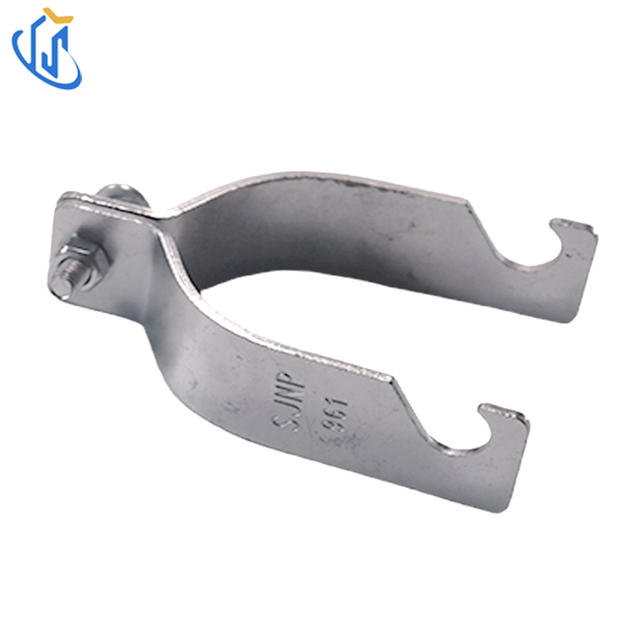
Have you ever watched a newly installed piping system rattle uncontrollably when a compressor kicks on? Properly securing conduit, plumbing, or HVAC lines requires moving past basic compatibility. You must evaluate system load, environmental factors, and dynamic vibration. We often see engineers simply order standard parts without matching them to specific site conditions.
Selecting the wrong unistrut pipe clamp causes serious problems fast. It leads to severe galvanic corrosion, rapid structural fatigue, and code compliance failures. Ultimately, poor component selection guarantees costly project rework and unacceptable safety risks. These small hardware choices dictate the longevity of your entire mechanical support network.
This article provides an evidence-based decision framework for your next installation. We will guide you through evaluating, sizing, and selecting the correct clamps for specific industrial and commercial applications. You will learn exactly how to match hardware to your exact load profile and environmental demands.
Key Takeaways
Sizing Accuracy: Clamp selection must be based on Outside Diameter (OD), not just Nominal Pipe Size (NPS), to ensure a secure fit and prevent pipe distortion.
Environmental Matching: Choosing between Electro-Galvanized, Hot-Dipped Galvanized, and Stainless Steel depends entirely on exposure risks and the prevention of galvanic corrosion.
Application-Specific Types: Standard rigid clamps, saddle pipe clamps, and cushioned variants each serve distinct functions regarding load distribution and vibration isolation.
Implementation Reality: Over-torquing is a primary failure point; adhering to manufacturer load tables and torque specifications is critical for compliance and safety.
Core Evaluation Criteria for Channel Mount Pipe Clamps
Engineers must analyze several critical variables before finalizing hardware choices. The right Channel Mount Pipe Clamp ensures long-term system stability. Ignoring these criteria often triggers premature mechanical failure.
Static vs. Dynamic Loads: Assessing the total weight of the installation is mandatory. You must calculate the weight of the bare pipe plus its internal contents. Water, compressed gas, and heavy cabling all change the static load profile significantly. You must then compare this total weight against the published slip and pull-out load ratings of the clamp. Dynamic loads add another layer of complexity. Surges in water pressure or sudden valve closures create instant force spikes. Your chosen clamp must withstand both static resting weight and sudden kinetic shocks.
Thermal Expansion and Contraction: Metal pipes expand and contract as temperatures fluctuate. You must determine if your pipe network will experience significant temperature swings. Hot water lines and steam pipes inevitably grow in length during operation. Rigidly locking these pipes creates immense stress. This stress can compromise the surrounding framing system. Installers often need clamps allowing for guided horizontal movement. This controlled slip prevents the pipe from buckling under thermal pressure.
Vibration and Acoustic Isolation: Vibration destroys rigid metal connections over time. You must identify systems requiring vibration mitigation. HVAC units, refrigeration lines, and heavy compressor networks generate constant harmonic frequencies. Unchecked vibration transfers directly into the building structure. This creates annoying acoustic noise and weakens structural joints. Isolating these lines requires specialized mounting hardware designed specifically to absorb kinetic energy.
Compliance and Certifications: Building codes dictate strict material and performance standards. Verifying compliance keeps your project legally sound. You should always look for UL listings or FM approvals on safety-critical systems. Local building codes often reference the National Electrical Code (NEC) for conduit or the Uniform Plumbing Code (UPC) for water lines. Your hardware must meet these regulatory requirements to pass final inspection.
Comparing Common Unistrut Pipe Clamp Types
Manufacturers design different clamp profiles to solve specific mechanical challenges. Selecting the right geometry prevents localized pipe damage and ensures structural integrity.
Standard Two-Piece Rigid Clamps
Standard rigid clamps dominate basic indoor installations. Installers assemble two interlocking metal halves around the pipe. They then drive a single bolt or screw to secure the assembly directly into the channel.
Best for: Standard electrical conduit runs (such as EMT or Rigid conduit) and stationary indoor plumbing.
Limitations: Direct metal-on-metal contact makes them completely unsuitable for dissimilar metals. They also fail rapidly on high-vibration lines because they cannot absorb harmonic shock.
Saddle Pipe Clamp
Heavy industrial pipelines require superior load management. A Saddle Pipe Clamp provides exceptional structural support for massive pipe networks.
Best for: Heavy-duty applications requiring broader load distribution across the support structure. The heavy U-bolt and curved saddle base design prevents dangerous point-loading on the pipe surface.
Limitations: The bulky design requires much more vertical clearance inside the routing path. They also carry a higher unit cost compared to standard two-piece stamped metal clamps.
Cushioned Clamps (Vibration & Insulation)
Modern mechanical systems often mix different metals and handle extreme temperatures. Cushioned variants encase the pipe in a protective synthetic barrier.
Best for: HVAC units, commercial refrigeration lines, and mixed-metal installations. These feature a durable thermoplastic elastomer (TPE) cushion wrapping the pipe.
Key Benefit: The rubberized cushion totally prevents galvanic corrosion between the pipe and the metal framing. It simultaneously absorbs system shock and dampens acoustic transfer.
Comparison of Clamp Types by Application Suitability
Clamp Category
Primary Use Case
Vibration Control
Corrosion Barrier
Standard Rigid
Electrical EMT, Basic Plumbing
None
No (Metal-on-Metal)
Saddle Clamp
Heavy Industrial, Large Pipes
Low
No (Unless coated)
Cushioned Clamp
HVAC, Refrigeration, Copper
High (TPE Insert)
Yes (Full Isolation)
Sizing Parameters: Matching Clamps to Strut Channels and Pipes
Incorrect sizing ranks as the most common purchasing mistake in mechanical fastening. Hardware that appears similar on paper often fails to engage correctly in the field.
OD vs. NPS Distinction: Mixing up Nominal Pipe Size (NPS) with Outside Diameter (OD) creates immediate installation failures. NPS serves merely as a broad industrial naming convention. It rarely matches the physical physical width of the pipe. For example, a 2-inch NPS steel pipe actually measures 2.375 inches across its outside edge. Manufacturers typically stamp or categorize their clamps to exact OD specifications. You must order hardware based on the true caliper measurement of the outside wall.
Tubing vs. Piping: Plumbers and electricians follow different measurement traditions. We differentiate sizing conventions based on the material in use. Copper tubing is always measured by its actual exact OD. An inch of copper tube measures exactly one inch across. Conversely, iron pipe sizing varies significantly based on wall thickness and pressure schedules. You must identify whether you are clamping "tubing" or "piping" before consulting load tables.
Strut Channel Compatibility: The metal framing system dictates your hardware mounting profile. You must verify that the clamp's locking foot is fully compatible with standard 1-5/8" wide Strut Channels. Fortunately, the industry standardized this 1-5/8" top-width dimension decades ago. This top width remains constant regardless of the channel's overall depth profile. Whether you use shallow framing or deep modular framing, a standardized locking foot will engage the upper lips correctly.
Material and Finish Selection (Preventing Failure)
Selecting the correct metal finish dictates the lifespan of your mechanical support system. Corrosive environments destroy cheap coatings rapidly. You must evaluate the installation climate before ordering parts.
Electro-Galvanized (EG): Manufacturers create this finish by applying a thin layer of zinc using an electrical current. It remains the standard choice for general indoor commercial use. EG provides a clean, bright finish and remains highly cost-effective. However, the zinc layer is exceptionally thin. It is highly vulnerable to rapid rust in high-humidity areas or any outdoor environments.
Hot-Dipped Galvanized (HDG): Outdoor elements require robust chemical protection. Manufacturers submerge these parts into molten zinc. This process provides a much thicker, dull-grey zinc coating. HDG excels in heavy-duty outdoor applications. It withstands prolonged exposure to rain, snow, and urban pollution without compromising the base steel.
Stainless Steel (304 vs. 316): Some facilities simply destroy galvanized coatings. Stainless steel becomes absolutely mandatory for highly corrosive environments. You must specify Type 304 or Type 316 stainless for wastewater treatment plants, chemical washdown areas, or food and pharmaceutical grade facilities. Type 316 contains added molybdenum. This specific addition makes it highly resistant to harsh chlorides and coastal sea salt.
The Galvanic Corrosion Risk: You must always implement a strict framework for avoiding the pairing of reactive metals. Galvanic corrosion occurs whenever two dissimilar metals touch in the presence of moisture. The more active metal acts as an anode and corrodes rapidly. For example, placing standard carbon steel clamps directly onto raw copper piping destroys the steel mount within months. You must never mix these reactive metals without installing a physical dielectric barrier, like a neoprene pad or a TPE cushion insert.
Implementation Realities: Installation Risks and Best Practices
Even perfectly specified hardware fails if contractors install it incorrectly. Field installation requires precise technique and strict adherence to structural guidelines.
Torque Specifications: Many installers mistakenly believe tighter is always better. Over-torquing ruins mechanical hardware. You risk crushing thin-wall electrical conduit entirely. Furthermore, excessive wrenching forces easily strip the fine machine threads on the clamp body. Exceeding manufacturer torque limits compromises the tensile strength of the bolt. You should always use a calibrated torque wrench and adhere strictly to published foot-pound limits.
Support Spacing Rules: Pipes sag under their own weight if supported inadequately. You must reference standard engineering guidelines for maximum horizontal and vertical spacing between clamps. The NEC dictates specific support intervals for different diameters of rigid conduit. Failure to observe these maximum spacing rules allows the pipe to bow. This sagging pools condensation, stresses pipe joints, and ultimately compromises structural integrity.
Strut Nut Engagement: The connection point requires meticulous visual inspection. You must verify that the clamp edges are fully seated inside the inturned lips of the framing channels before final tightening. If the locking foot rests on top of the lip rather than hooking underneath it, the connection will fail under minimal load. We strongly recommend physically twisting the assembly to ensure it bites into the steel framing properly.
To guarantee a safe installation, follow this verified implementation sequence:
Measure the exact true Outside Diameter of the run using digital calipers.
Clean the framing slot thoroughly to remove construction debris or accumulated metal shavings.
Insert the hardware and rotate it 90 degrees to guarantee the locking feet catch the inturned metal lips.
Align the piping system squarely inside the saddle or cushion barrier.
Apply incremental turns with a torque wrench until reaching the exact manufacturer-specified limit.
Conclusion
Securing a reliable mechanical network requires moving past guesswork and assumptions. You must base your final selection on exact OD measurements rather than broad nominal labels. Always evaluate environmental finish requirements early to prevent rapid rust or devastating galvanic corrosion. Finally, properly analyze dynamic load factors, especially when mounting heavy fluid lines or high-vibration compressors.
Take immediate action to safeguard your next build. First, advise your procurement buyers to request comprehensive manufacturer load tables for all specified hardware. Second, verify all material certifications meticulously, especially when ordering expensive stainless steel or specialty coated options. Finally, ensure your chosen vendor carries sufficient inventory to match your exact project scale, preventing costly delays during the final installation phase.
FAQ
Q: Can I use any brand of channel mount pipe clamp on Unistrut channels?
A: Yes, provided the strut channel utilizes the industry-standard 1-5/8" width profile, most standardized clamps are cross-compatible.
Q: How do I measure my pipe to ensure I order the right clamp size?
A: Use calipers to measure the exact Outside Diameter (OD) of the pipe or tube, rather than relying on the nominal label, to guarantee a secure fit.
Q: When is a cushion clamp strictly required instead of a standard metal clamp?
A: Cushion clamps are necessary when joining dissimilar metals (to prevent galvanic corrosion), for refrigeration lines (to prevent condensation and thermal bridging), and in high-vibration systems (compressors/pumps).
Q: Do standard unistrut pipe clamps support vertical load bearing?
A: Standard clamps provide primarily horizontal and lateral support. For significant vertical load-bearing applications, specifically rated riser clamps or specialized friction-resistant hardware is required.
Utterly TY Intelligent Technology Co.,Ltd. is a high-tech private enterprise integrating product design, research and development, sales and installation.