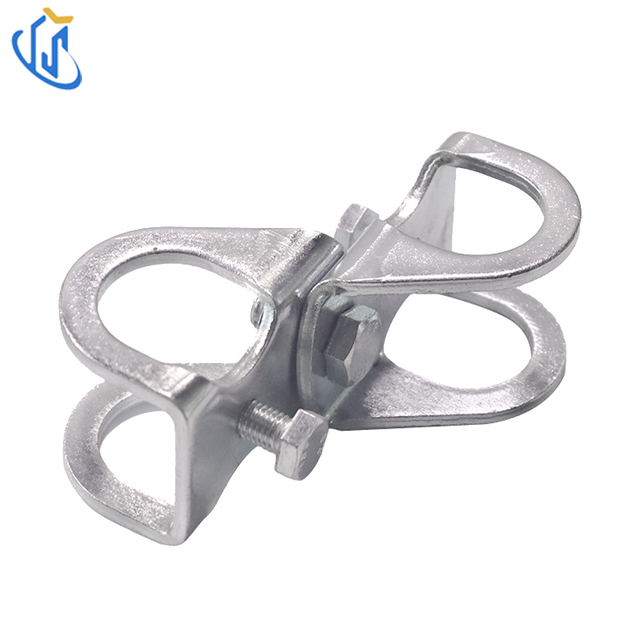
Inadequate seismic bracing in Mechanical, Electrical, and Plumbing systems poses massive liability and life-safety risks. When an earthquake strikes, improperly secured sprinkler pipes can swing violently. This unpredictable movement frequently causes immediate system failures and catastrophic indoor flooding. Structural codes continually grow more stringent to prevent these exact disasters. Consequently, engineers are rapidly shifting away from traditional single-direction bracing. They now favor highly reliable multi-directional solutions. Managing dynamic loads safely demands specialized components built for supreme resilience. A robust Four-Way Seismic Adapter stands as a cornerstone component in modern facility design. You will learn how these adapters streamline code compliance. They drastically reduce installation complexity for on-site crews. We explore their core engineering role, strict material durability standards, and system integration strategies. Ultimately, this comprehensive guide helps you secure vulnerable infrastructure. You can ensure your next commercial project maintains long-term structural resilience.
Key Takeaways
Multi-Directional Load Management: A four-way seismic adapter simultaneously resists lateral and longitudinal seismic forces, simplifying system design.
Code Compliance: Proper specification ensures adherence to NFPA 13, ASCE 7, and local building codes, facilitating smoother inspection approvals.
Corrosion Resistance: Galvanized coatings provide verifiable, long-term protection against environmental degradation in commercial and industrial facilities.
Installation Efficiency: Evaluated correctly, these adapters reduce labor hours by integrating seamlessly with existing strut, pipe, or cable bracing systems.
The Engineering Role of a Four-Way Seismic Adapter in MEP Systems
Suspended non-structural components face immense vulnerability during seismic events. Earthquakes send massive lateral waves through commercial buildings. These waves cause severe structural sway across all elevated floors. This sudden movement frequently triggers catastrophic pipe ruptures. Fire sprinkler networks and heavy ductwork can detach entirely. Such failures endanger lives and cause extensive property damage.
We define a successful bracing connection through specific performance metrics. It must transfer dynamic loads predictably into the main building structure. It needs to keep component deflection to an absolute minimum. A proper connection also prevents destructive momentum from building up. Engineers rely on sturdy attachment nodes to manage these forces. You must ensure every structural anchor handles its designated weight capacity perfectly.
A Four-Way Seismic Adapter plays a remarkably critical role here. It consolidates lateral and longitudinal bracing points into one central hub. You drastically reduce the total number of required anchor points. This consolidation simplifies the entire overhead ceiling layout. It minimizes physical clashes between plumbing lines and electrical trays.
These components boast incredible versatility across different architectural ecosystems. They integrate perfectly into structural steel beams and solid concrete anchors. They also work seamlessly alongside rigid pipe and standard strut channels. You can adapt them easily for various structural requirements. This flexibility helps structural engineers solve complex spatial challenges efficiently. It keeps the final installation clean, organized, and structurally sound.
Best Practices for Structural Anchoring
Always verify the structural integrity of the primary building attachment point.
Use certified concrete anchors rated specifically for cracked concrete environments.
Maintain the required clearance distances between adjacent MEP utilities.
Double-check angle tolerances to ensure optimal load distribution.
Material Integrity: Why Galvanized Coating is the Baseline Requirement
Material choice remains absolutely non-negotiable for critical life-safety systems. You must guarantee physical durability over decades of continuous building operations. Structural failure often begins quietly through hidden, microscopic rust. Bare steel weakens rapidly when exposed to ambient humidity. Industry standards demand rigorous zinc coating processes to combat this threat. Galvanization provides a sacrificial barrier against aggressive oxidation.
Electro-galvanized and hot-dip galvanized finishes represent the two primary protective options. Both must align perfectly with recognized ASTM specifications. Electro-galvanizing uses an electrical current to bond a thin zinc layer. Hot-dip galvanizing submerges the steel into molten zinc. This process creates a significantly thicker, more resilient metallic shell. Engineers must understand these differences to make accurate project specifications.
Mating dissimilar metals in MEP systems creates serious functional hazards. It frequently causes rapid galvanic corrosion between the connection points. A proper galvanized finish acts as a vital protective barrier. It prevents premature degradation across the entire bracing assembly. You mitigate significant long-term liability by selecting appropriate metallic coatings.
We must specify components carefully based on the specific facility environment. Indoor climate-controlled spaces present very low corrosion risks. Electro-galvanized adapters work exceptionally well for these standard commercial interiors. However, exposed industrial settings require much stronger protection. Manufacturing plants and chemical facilities expose parts to harsh atmospheric moisture. Hot-dip galvanization becomes strictly essential in these aggressive, high-risk environments.
Common Mistakes in Material Selection
Mixing bare copper pipes directly against unprotected steel adapters.
Using indoor-rated electro-galvanized brackets on exterior roof structures.
Ignoring the impact of airborne chemicals in specialized manufacturing facilities.
Failing to touch up zinc coatings after performing on-site modifications.
Navigating Compliance: Aligning with NFPA 13 and Industry Approvals
A strict regulatory environment governs all commercial seismic attachments. You cannot rely on assumptions when protecting critical fire protection systems. Life-safety infrastructure requires absolute certainty during design and installation. NFPA 13 outlines highly specific mandates for these overhead installations. ASCE 7 provides additional foundational rules for structural load calculations. Building codes strictly enforce these guidelines across jurisdictions.
NFPA 13 clearly defines strict rules for the zone of influence. This concept dictates how much pipe weight a single brace supports. The standard also specifies exact requirements for multi-directional bracing setups. Every Four-Way Seismic Adapter you specify must meet these rigid codes. The adapter must handle both lateral and longitudinal stresses simultaneously. It must restrain the pipe within designated spacing intervals safely.
Third-party validation offers the strongest layer of professional protection. Always look for official UL Listed and FM Approved stamps. These independent laboratories subject brackets to brutal physical stress tests. Without these specific certifications, liability shifts entirely back to you. You take on massive professional risk by using unverified hardware. Approved stamps guarantee the product performs exactly as advertised.
We strongly advise evaluators to demand transparent load capacity charts. You need certified Zone of Influence calculations directly from the manufacturer. Never accept theoretical maximums or unproven marketing claims. Request actual testing data reflecting specific angle installations. Real-world performance data ensures your design passes official inspections smoothly. It eliminates guesswork and builds immense trust among all project stakeholders.
Solution Categories: Rigid vs. Cable Bracing Integration
Engineers generally choose between two primary MEP bracing ecosystems. You will use either rigid systems or flexible cable frameworks. The four-way adapter functions distinctly within each specific setup. Your selection depends heavily on spatial constraints and load requirements. We must evaluate both approaches objectively to maximize structural safety.
Rigid bracing typically utilizes standard strut channels or schedule 40 steel pipes. They excel at handling both compressive and tensile loads. We recommend rigid approaches for high-clearance, open-ceiling areas. They easily support heavy-duty industrial applications and large-diameter water mains. Rigid systems provide a highly visible, highly robust structural aesthetic.
Alternatively, tension-only cable systems offer unique installation advantages. Wire rope bracing integrates beautifully into highly constrained spaces. They simplify complex retrofits significantly. Installers can snake cables around existing ductwork easily. Cable setups also pair nicely alongside vibration isolation systems. You achieve excellent seismic restraint without transferring unwanted mechanical noise.
Bracing Ecosystem Comparison
System Characteristic
Rigid Bracing (Strut/Pipe)
Cable Bracing (Wire Rope)
Load Management
Handles both tension and compression.
Handles tension forces only.
Space Requirements
Requires clear, unobstructed pathways.
Highly flexible in tight, crowded spaces.
Installation Speed
Slower. Requires cutting steel pipes.
Faster. Easy length adjustment on-site.
Retrofit Suitability
Challenging in active, existing buildings.
Excellent for existing facility upgrades.
Vibration Isolation
Can transfer unwanted mechanical noise.
Minimizes acoustic and vibration transfer.
Decision-makers must weigh several distinct criteria carefully. Consider the total suspended weight of the utility line. Evaluate the available overhead space above the ceiling grid. Assess the existing infrastructure for accessible attachment points. A proper evaluation ensures you choose the right system architecture.
Implementation Realities: Installation, Adjustability, and Rollout Risks
A significant gap often exists between engineering design and on-site execution. Even brilliant designs fail if installers struggle during physical assembly. Complex hardware leads to widespread installation errors. We must evaluate installation mechanics rigorously before selecting our components. Ergonomic, intuitive products drastically reduce costly on-site mistakes.
Prioritize adapters featuring break-off nuts or clear visual inspection indicators. These smart features guarantee correct torque application automatically. The nut head snaps off once it reaches the specified tension. Installers should only need standard hand tools to complete the job. Minimizing specialized tooling requirements speeds up the entire construction schedule. It also reduces physical fatigue for the installation crew.
Retrofitting existing buildings introduces incredibly unique complexities. Crews frequently work around active, pressurized MEP lines. They maneuver ladders through fully occupied hospital corridors or data centers. You need compact hardware to navigate these crowded overhead spaces successfully. Adjustability without dismantling existing pipes saves enormous amounts of labor time. A smartly designed adapter slides easily onto existing structural supports.
Inspection preparedness determines the ultimate success of your project. Inspectors look closely for the proper brace angle. They check for correct torque values on every single fastener. They also verify you used properly listed and approved components. Choosing a high-quality adapter minimizes frustrating rework dramatically. It speeds up final sign-offs and keeps your project budget intact.
Conclusion
A properly specified adapter does far more than hold pipes. It acts as a critical, liability-reducing structural safety component. They protect vulnerable infrastructure from catastrophic movement during major earthquakes. By consolidating multiple bracing points, they clean up overhead designs. They ultimately save countless labor hours during the installation phase.
We recommend shortlisting your vendors based strictly on certified load data. Always demand official UL and FM listings before purchasing components. You should also prioritize manufacturers offering robust BIM and CAD design support. These digital tools streamline your entire engineering workflow remarkably. They help identify potential structural clashes long before construction begins.
Take decisive action today by auditing your current project specifications. Request comprehensive manufacturer load charts for your specific applications immediately. Consult directly with a qualified seismic engineering specialist if necessary. You protect your clients and your firm by prioritizing rigorous compliance. Proactive planning guarantees your facility survives the toughest environmental challenges.
FAQ
Q: Can a four-way seismic adapter be used on both lateral and longitudinal braces simultaneously?
A: Yes, engineers specifically design them for this exact dual purpose. A four-way adapter simultaneously manages lateral and longitudinal seismic forces safely. It distributes these dynamic loads directly into the primary building structure. This multi-directional capability streamlines your overall MEP system design. You effectively reduce the total number of required attachment points while maintaining strict safety standards.
Q: How does NFPA 13 dictate the spacing for four-way seismic attachments?
A: NFPA 13 establishes precise spacing based on pipe size and system weight. Engineers must calculate the exact zone of influence for each specific brace. Larger pipes holding higher water volumes require significantly closer bracing intervals. You must evaluate the maximum allowable load for the attachment node. The adapter must handle the cumulative weight within its designated zone perfectly.
Q: Do I need a hot-dip galvanized adapter, or is electro-galvanized sufficient?
A: It depends entirely on your specific facility environment. Electro-galvanized finishes perform excellently in dry, climate-controlled indoor spaces. However, exposed industrial settings or outdoor applications demand hot-dip galvanization. Hot-dip processes provide a much thicker, more durable zinc layer. This extra protection prevents severe corrosion caused by high moisture or harsh chemical exposure.
Q: Are these adapters compatible with vibration isolation hanger systems?
A: Yes, they integrate effectively but require very careful engineering. Seismic restraints and vibration isolators serve completely different mechanical functions. Isolators stop mechanical noise transfer, while restraints prevent destructive movement. You must configure the adapter loosely enough to allow normal operational vibration. However, it must engage instantly to restrict excessive sway during an earthquake.
Utterly TY Intelligent Technology Co.,Ltd. is a high-tech private enterprise integrating product design, research and development, sales and installation.